


Safety Takes Center Stage at SMM 2026: How BOTIX Is Strengthening the Foundation of Maritime Safety
 Sep 16.2026
At the recently concluded 32nd edition of SMM 2026, "Safety and Resilience" emerged as a key theme throughout the event.
Against the backdrop of a shifting geopolitical landscape, rising maritime risks, and the rapid advancement of intelligent vessel technologies, the global maritime industry is re-examining the boundaries of safety. Today, maritime safety extends beyond vessels, crews, and waterways to encompass ports, critical infrastructure, and the resilience of supply chains.
At the same time, SMM 2026 sent another clear signal: the industry’s focus is shifting from discussions about technological potential and demonstrations of individual capabilities to practical application—whether technologies can be successfully deployed onboard, perform reliably in complex environments, and effectively address navigational safety challenges.
Based on the topics and priorities that attracted the most customer interest at the exhibition, we have compiled a series of representative questions to explore how BOTIX is strengthening the safety foundations of smart shipping through its full-stack technological capabilities.

Core Capabilities
Q1|How Is BOTIX Addressing Growing Maritime Safety Challenges?
A:
Centered on navigational safety, BOTIX has built — and continues to upgrade — full-stack technology capabilities spanning perception, decision-making, and control. This creates a closed-loop safety system for vessels that covers risk detection, situational understanding, decision-making and planning, and precise maneuvering — turning risk awareness into reliable action.
First, through situational awareness solutions such as the 4D Image Small-Target Radar and NaviSight, BOTIX enhances vessels’ ability to perceive their surroundings in complex environments. These include close-range operations, small and non-AIS targets, nighttime navigation, low visibility, and high sea states—helping bridge teams identify potential risks earlier.
Second, BOTIX uses multimodal BEV (Bird’s-Eye View) fusion to overcome the limitations of individual sensors. By integrating heterogeneous data from cameras, LiDAR point clouds, infrared imagery, and millimeter-wave radar point clouds at the feature level in BEV space, BOTIX creates a comprehensive view of the surrounding environment. This approach fully leverages the respective strengths of different sensors, maximizing sensing redundancy and the complementary value of their data.
Building on this perception foundation, BOTIX further integrates the decision-making and control layers. Through autonomous navigation trials in real-world waters, BOTIX continuously validates the stability and safety of each stage of the system, advancing navigational safety from reactive warnings toward earlier detection, more accurate assessment, and proactive response.
Q2|Given that vessels are already equipped with marine radar and AIS, what additional value do BOTIX’s situational awareness solutions provide?
A:
The two are complementary, not substitutes. Marine radar is a critical foundation for navigational safety, but it still has clear capability limitations.
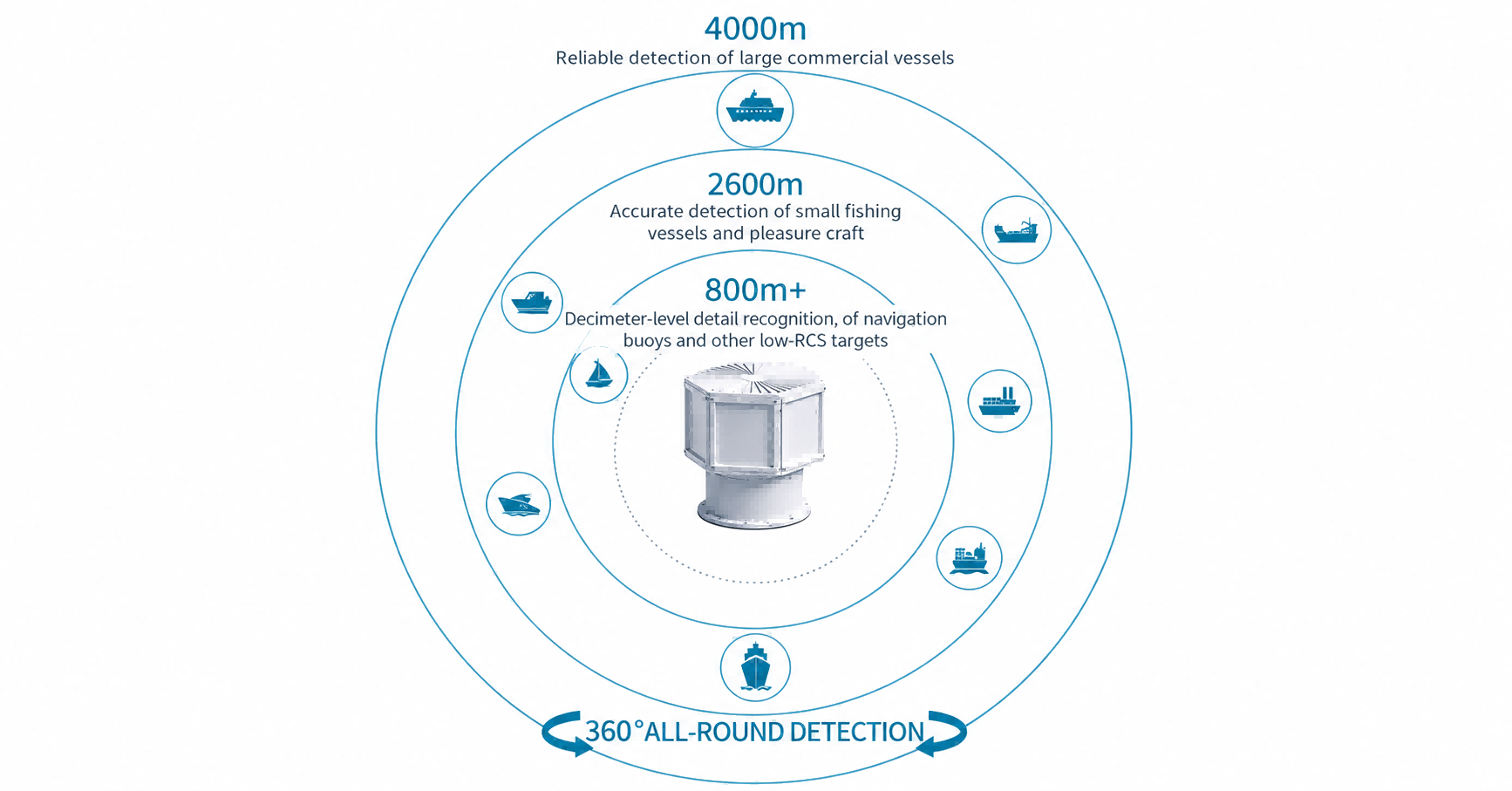
Conventional marine radar can struggle to clearly resolve small targets at close range. Limited by its range and bearing resolution, it may also be unable to accurately determine a target’s bearing, distance, and contours.
BOTIX’s 4D Image Small-Target Radar complements conventional marine radar by enhancing the detection of nearby small targets. In addition to speed and course information, it can provide richer target data, including length, width, height, and HDG.
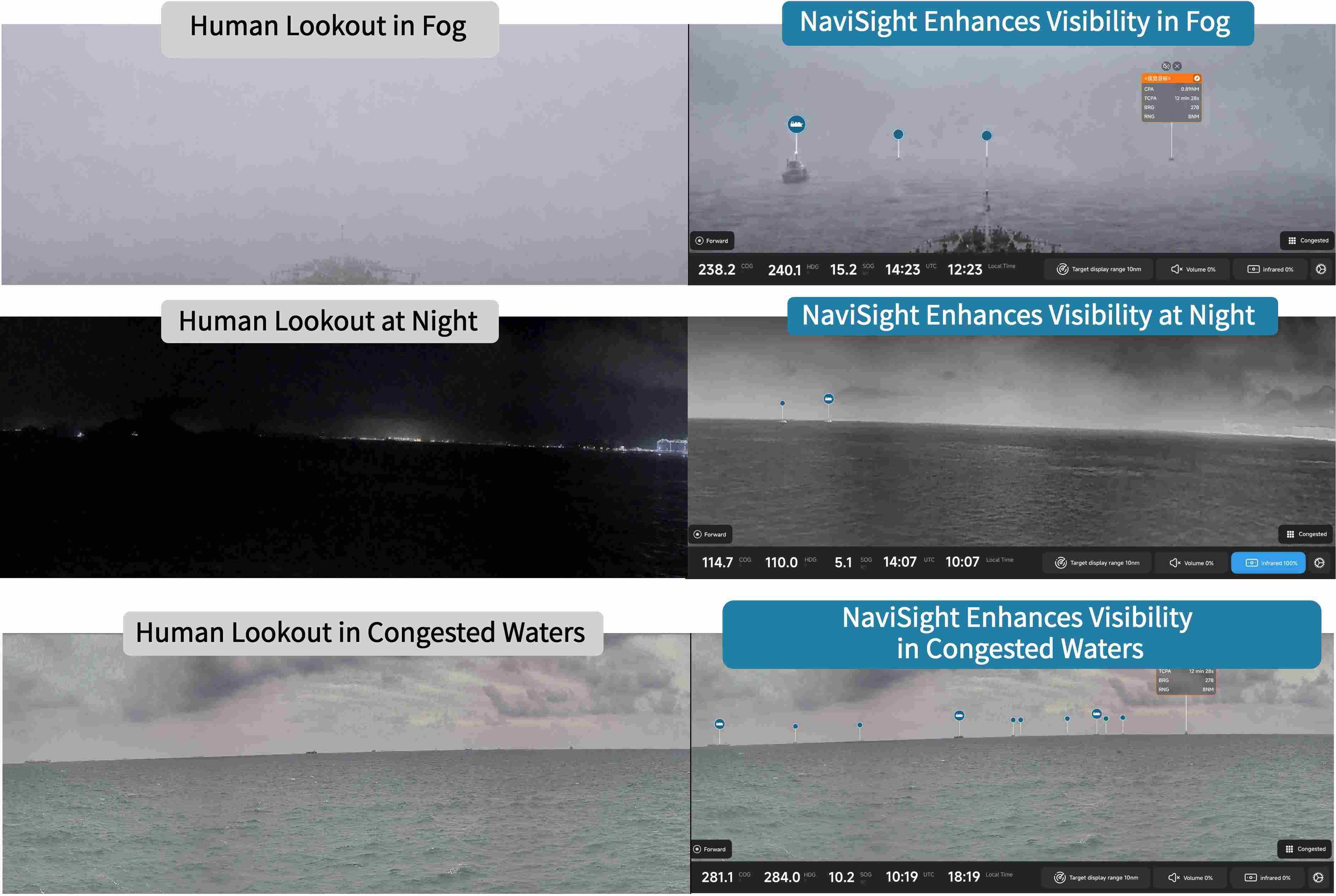
Powered by AI-driven multisensor fusion, NaviSight intelligently enhances and complements marine radar detection. It strengthens situational awareness in rain, fog, nighttime, low-light, and no-light conditions, as well as in target-dense waters.
Through an integrated workflow spanning perception, analysis, visualization, and cloud synchronization, NaviSight creates a closed-loop safety system extending from onboard navigation to shoreside fleet management.
Value Across Use Cases
Q3|Which high-risk navigation scenarios can benefit from BOTIX’s situational awareness technology?
A:
BOTIX’s perception technology is designed to address the limitations of conventional sensing equipment, such as marine radar and AIS, as well as human lookout in high-risk navigation scenarios—particularly where hazards may not be seen clearly, comprehensively, or early enough.
4D Image Small-Target Radar can be applied in scenarios requiring close-range detection of small targets and precise vessel maneuvering, including berthing and unberthing, ferry operations, offshore operations, and public service vessel missions.
NaviSight is designed for low-visibility navigation scenarios, including rain, fog, and nighttime navigation, as well as situations involving extended watchkeeping. It helps reduce the risk of missed hazards and misjudgments caused by visual fatigue.
Q4|Have BOTIX’s products been validated in real-world waters and onboard operational vessels?
A:
Yes. BOTIX consistently validates its product capabilities in real-world waters, onboard operational vessels, and under actual navigation conditions, rather than relying solely on laboratory testing. The company has established a closed-loop process of “onboard validation—data feedback—algorithm iteration—engineering optimization” to continuously improve system detection accuracy, environmental adaptability, and operational stability.
To date, BOTIX has deployed its situational awareness systems across a range of vessel types, including merchant ships, RoPax vessels, tugboats, ferries, and public service vessels. Regular testing and operational applications have been conducted under varying weather and visibility conditions.
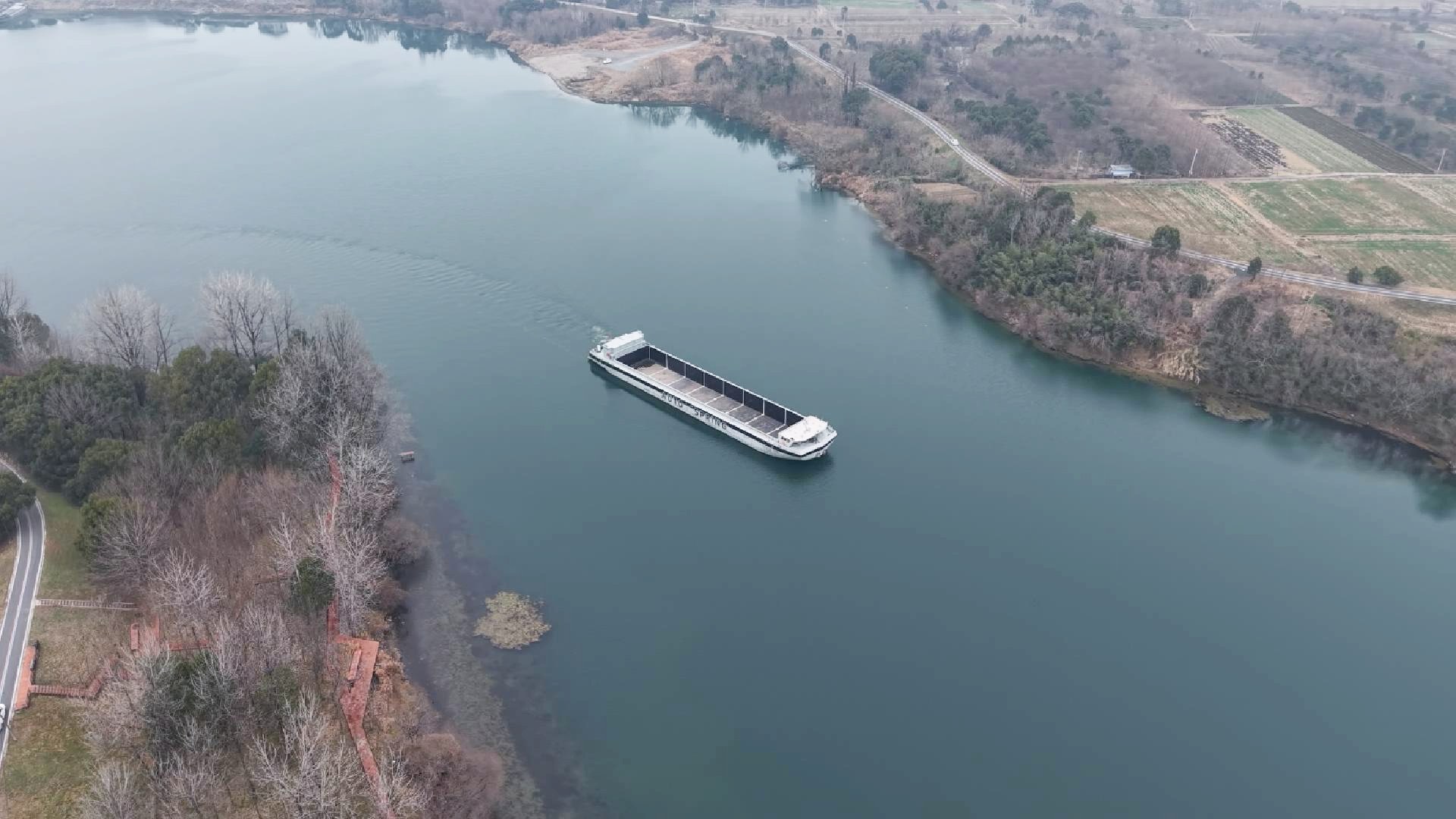
Meanwhile, BOTIX’s autonomous navigation system has been installed onboard Jingzhe, a next-generation green and intelligent vessel purpose-designed and developed by BOTIX. The system has already completed multiple rounds of autonomous navigation trials under real-world operating conditions.
Value and Future
SMM 2026 made one thing clear: the maritime industry is setting a higher bar for technology. Ensuring safety at sea requires integrated capabilities—the ability to perceive continuously, assess situations accurately, and act reliably amid uncertainty.
Looking ahead, BOTIX will continue to deepen its expertise in maritime situational awareness while accelerating the global deployment and adoption of its technologies. Perceiving the environment and detecting risks are only the starting points of maritime safety. The key lies in transforming environmental information into timely and precise action.
To achieve this, BOTIX will continue to strengthen its full-stack capabilities across perception, positioning, decision planning, and control. By doing so, the company aims to build an end-to-end technology chain spanning risk detection, situational understanding, risk prediction, and proactive risk avoidance.
Safety is an enduring priority for the shipping industry—and BOTIX is bringing a new approach to this shared challenge.



Read More
-
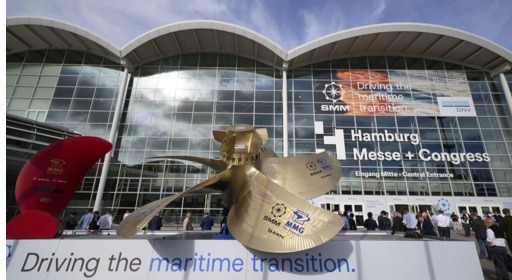 Sep 04.2026BOTIX Showcases Situational Awareness Portfolio at SMM 2026, Drawing International InterestCompany News
 -
 Aug 04.2026BOTIX 4D Imaging Small-Target Radar Receives CCS Marine Product Test CertificateProducts & Technology
 -
 Apr 27.2026Reliable Perception When It Matters: 4D Imaging Small Target Radar for Safer NavigationProducts & Technology




 contact@botix.com


